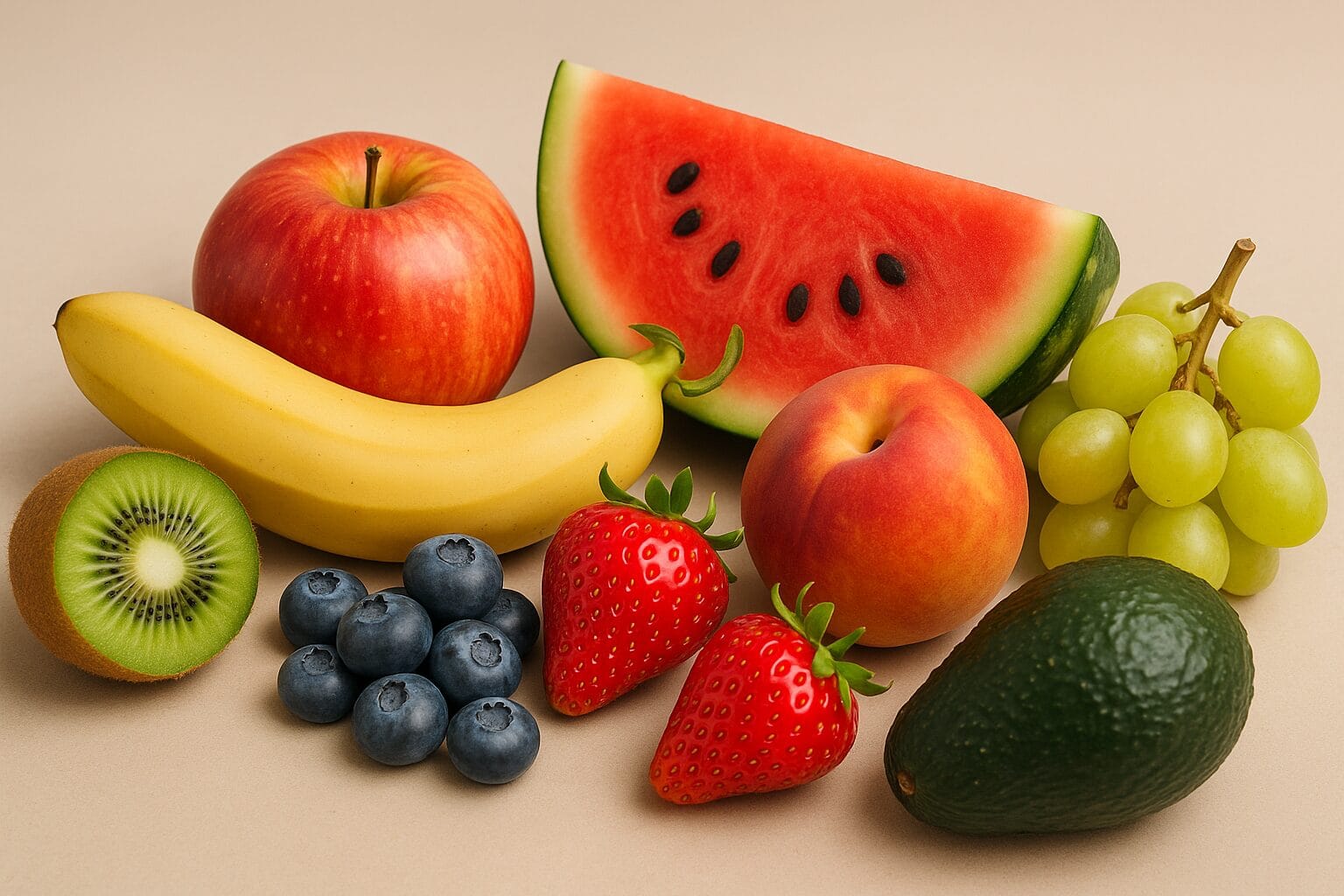
Asthma makes you more sensitive to what you breathe in — but many people don’t realize it can also make you sensitive to what you eat. While fruits are usually seen as healthy, some of them can actually trigger asthma symptoms in certain people. That’s why learning about the worst fruits for asthma is important if you want to keep your airways calm and your breathing steady.
This guide breaks down which fruits may worsen asthma, why these reactions happen, and what alternatives you can choose. The goal is simple: to help you feel more confident, in control, and supported on your asthma journey.
Why some fruits are considered the worst fruits for asthma
Not everyone with asthma reacts to food, but many do — especially those who also have allergies. Fruits can trigger asthma symptoms because of:
- Oral Allergy Syndrome (OAS)
Your immune system confuses fruit proteins with pollen proteins. - Histamine release
High-histamine fruits can worsen inflammation in your airways. - Cross-reactivity
Certain fruits mimic birch, grass, or latex allergens. - Sulfites
Dried fruits or juices may contain sulfites, which trigger wheezing.
Understanding these reactions helps explain why some fruits become the worst fruits for asthma, even though they seem harmless.
Apples: a common trigger for pollen-sensitive asthmatics
Apples are one of the worst fruits for asthma for people who are allergic to birch pollen. Their proteins mirror birch proteins, causing the body to react.
Symptoms may include:
- Itchy throat
- Chest tightness
- Coughing
- Trouble breathing
Raw apples cause the strongest reactions, but cooked apples are usually safe since heat breaks the allergenic proteins.
Bananas: risky for those with latex sensitivity
Bananas may not seem dangerous, but they are one of the worst fruits for asthma in anyone with latex-fruit syndrome.
Your immune system mistakes banana proteins for latex, leading to airway inflammation.
Reactions include:
- Wheezing
- Runny nose
- Throat discomfort
- Breathing difficulty
If you react to latex gloves, bananas, kiwis, and avocados should be eaten carefully — or avoided entirely.
Peaches: high histamine fruit that can trigger breathing issues
Peaches are one of the worst fruits for asthma because they naturally encourage histamine release in the body.
Histamine causes swelling and inflammation in the airways.
Symptoms may include:
- Throat irritation
- Chest tightness
- Wheezing
- Increased mucus
Peaches belong to a family with cherries, apricots, and plums — all of which may cause similar reactions.
Melons: dangerous for grass pollen allergies
If you are allergic to grass pollen, melons like watermelon, cantaloupe, and honeydew may become the worst fruits for asthma for you.
You may feel:
- Itchy mouth
- Sudden coughing
- Chest tightness
- Sneezing or wheezing
This is called cross-reactivity, where fruit proteins resemble pollen proteins.
Kiwis: one of the most reactive fruits for throat and airway irritation
Kiwi allergies are more common than expected, making kiwi one of the worst fruits for asthma in people who react strongly to fruit enzymes.
Reactions may include:
- Tingling tongue
- Swollen lips or throat
- Tight chest
- Wheezing
Because symptoms can escalate quickly, people with asthma should test kiwi carefully.
Grapes and raisins: sulfite-rich triggers
Fresh grapes are safe for many people, but raisins, grape juice, and wine contain sulfites, making them some of the worst fruits for asthma in sulfate-sensitive individuals.
Sulfites can cause:
- Breathing difficulty
- Wheezing
- Sudden coughing
- Chest pressure
If dried fruits trigger symptoms, sulfites are often the cause.
Avocados: latex cross-reactive fruit
Avocados are healthy, but not for everyone. They are often listed among the worst fruits for asthma in people with latex sensitivity because the proteins are similar.
Possible reactions:
- Airway irritation
- Throat tightness
- Difficulty breathing
- Coughing
If bananas bother you, avocados may too.
Strawberries: high in histamine and often problematic
Strawberries may look innocent, but for many, they are one of the worst fruits for asthma because they naturally release histamine in the body.
Symptoms can include:
- Itchy skin
- Tightness in the throat
- Breathing discomfort
- Sneezing or wheezing
This makes strawberries risky for people with asthma and histamine intolerance.
Cherries: another fruit that reacts with pollen allergies
Cherries belong to the same botanical family as peaches and plums and are often counted among the worst fruits for asthma for people with birch or grass pollen allergies.
Reactions include:
- Tight throat
- Coughing
- Wheezing
- Itchy ears or mouth
Cooked cherries may be easier to tolerate because heat destroys the allergenic proteins.
Mangoes: peel causes reactions in urushiol-sensitive people
While many people tolerate mango flesh, the mango peel contains urushiol, the same chemical found in poison ivy.
This makes mango one of the worst fruits for asthma in people with urushiol sensitivity.
Reactions may include:
- Swollen throat
- Trouble breathing
- Burning sensation
- Wheezing
Peeling the mango carefully reduces risk.
Pineapples: strong enzymes that irritate airways
Pineapples contain bromelain, an enzyme known to irritate the throat.
For some people, pineapples are among the worst fruits for asthma because this irritation can trigger coughing and airway discomfort.
Symptoms include:
- Throat burning
- Tight chest
- Coughing
- Shortness of breath
Cooking pineapple can make it safer to eat.
Asthma-friendly fruits you can safely enjoy
Even though there are worst fruits for asthma, many fruits actively help lung health and reduce inflammation.
Safer options include:
- Blueberries
- Papaya
- Pomegranate
- Pears
- Cooked apples
- Oranges (if not citrus-sensitive)
- Guava
- Mango flesh without peel
These fruits are rich in vitamin C, antioxidants, and anti-inflammatory compounds.
How to identify which fruits trigger your asthma
Everyone is different. A fruit that triggers one person may be totally safe for another.
Here’s how to identify your personal worst fruits for asthma:
- Keep a daily food diary
- Track symptoms after eating fruits
- Notice whether reactions happen within 5–30 minutes
- Try fruits in small amounts
- Consider allergy testing
- Note differences between raw and cooked fruits
Working with an asthma or allergy specialist can help you understand your specific sensitivities.
Final thoughts: learning your own worst fruits for asthma
Understanding the worst fruits for asthma doesn’t mean you should stop eating fruit altogether. It simply helps you make smarter choices that protect your breathing and reduce flare-ups. Pay attention to how your body reacts, avoid fruits that trigger symptoms, and choose asthma-friendly options that support your lung health.