A low-histamine diet has become a popular approach for people dealing with unexplained allergy-like symptoms, skin reactions, migraines, and digestive issues. But what exactly is histamine? And why do some foods make symptoms worse—even when they seem healthy?
Below, you’ll find a clear and updated guide on what histamine does in your body, what histamine intolerance is, who may benefit from a low-histamine diet, and how to get started safely.
This article also includes a full list of foods to eat and avoid, newly added sections, and a sample weekly meal plan to help you navigate this eating style.
What Is Histamine?
Histamine is a naturally occurring chemical found throughout your body. It acts as:
- A messenger for the immune system, helping your body fight off harmful invaders
- A neurotransmitter, supporting brain function
- A regulator of digestion, stomach acid, and circulation
When your immune system thinks something is a threat—like pollen or pet dander—it releases histamine. This is what causes allergy symptoms such as sneezing, watery eyes, runny nose, or itchiness.
Histamine in Food
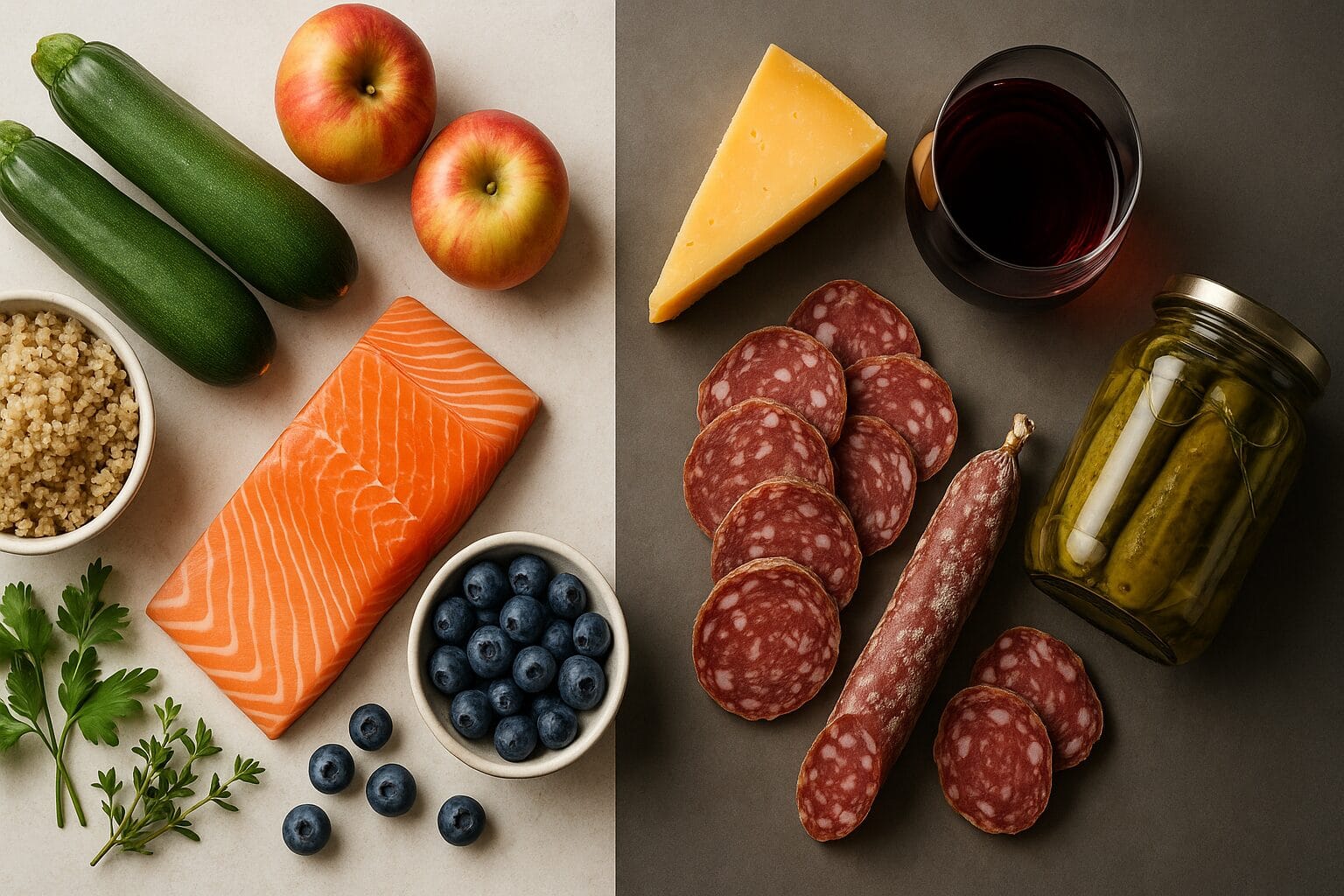
Many foods produce histamine naturally or form histamine as they age. Examples include:
- Fermented foods
- Aged cheeses
- Cured meats
- Alcohol
Your body clears histamine using an enzyme called DAO (diamine oxidase). When DAO levels are low—or histamine builds up too fast—symptoms can start to appear.
What Is Histamine Intolerance?
Histamine intolerance isn’t a traditional allergy. Instead, it means your body cannot break down histamine as quickly as it absorbs or produces it.
This leads to high histamine levels in the blood, which cause symptoms similar to allergies or food sensitivities.
Common Symptoms of Histamine Intolerance
Symptoms vary widely—and often mimic other medical issues—so the condition is frequently overlooked. They may include:
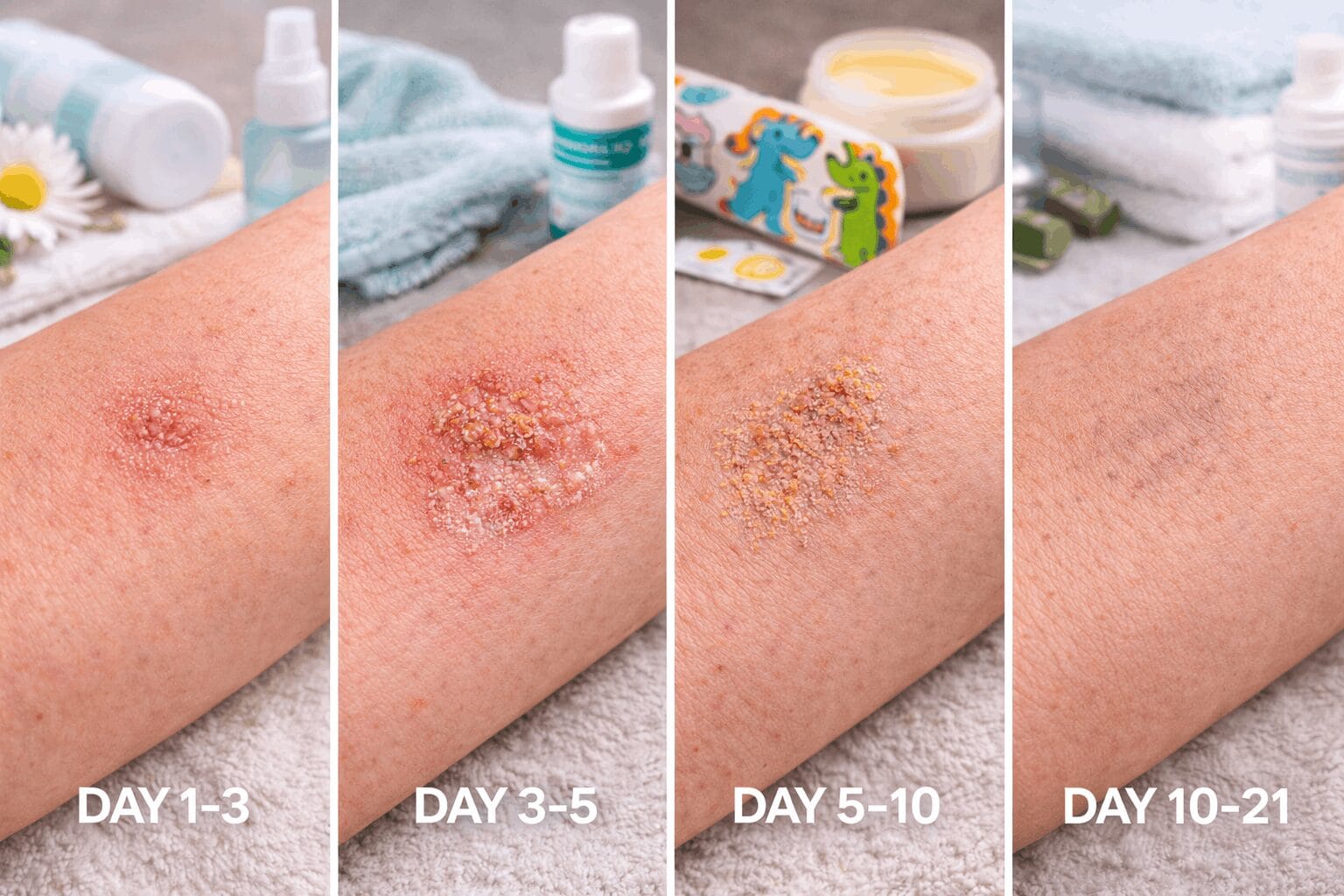
- Hives or itchy skin
- Nasal congestion and sinus pressure
- Headaches or migraines
- Bloating, diarrhea, nausea
- Fatigue, dizziness, irritability
- Irregular menstrual cycles
- Rapid heartbeat or palpitations
- Flushing or overheating
- Blood pressure fluctuations
- Asthma flare-ups
What Causes Histamine Intolerance?
Several factors reduce your body’s ability to clear histamine:
- Low DAO enzyme levels (genetic or acquired)
- Medications such as antidepressants, NSAIDs, or antibiotics
- Alcohol or black tea, which block DAO
- Gut bacteria overgrowth (SIBO)
- Inflammatory bowel conditions, such as Crohn’s or ulcerative colitis
- Leaky gut syndrome or chronic digestive issues
- Excess intake of histamine-rich foods
What Is a Low-Histamine Diet?
A low-histamine diet reduces your overall histamine intake by removing foods that:
- Contain high histamine levels, or
- Trigger histamine release, or
- Block the DAO enzyme
This diet doesn’t cure histamine intolerance, but it helps reduce symptoms, giving your body time to reset and regulate histamine levels more effectively.
It’s usually followed for 4–6 weeks, then foods are slowly reintroduced under guidance.
Who Should Follow a Low-Histamine Diet?
This diet is not for weight loss. It’s used for people experiencing symptoms that may be linked to histamine overload—especially when other causes have been ruled out.
A low-histamine diet may help people with:
- Chronic migraines
- Recurrent hives or skin rashes
- Mast Cell Activation Syndrome (MCAS)
- Postural Orthostatic Tachycardia Syndrome (POTS)
- Long-COVID inflammation
- Asthma and allergy flares
- Chronic digestive issues
- Celiac disease (persistent symptoms despite a gluten-free diet)
- IBS-like symptoms
- Food chemical sensitivities
Important: Never self-diagnose. Work with a doctor or allergist before starting the diet, as these symptoms may also indicate other medical conditions.
How Histamine Affects the Gut and Brain
Histamine plays key roles in digestion and mental wellness. When levels rise too high:
Gut Effects
- Increased stomach acid
- Cramping and diarrhea
- Bloating and inflammation
- Nausea after meals
Brain Effects
Because histamine is a neurotransmitter, high levels can trigger:
- Anxiety
- Irritability
- Panic-like symptoms
- Sleep disturbances
- Brain fog
This connection is often called the gut-brain-histamine axis.
Why Food Storage Matters
Histamine continues to increase as food ages. Even low-histamine foods can become high-histamine if:
- Left in the fridge too long
- Not frozen immediately after cooking
- Cooked in large batches and reheated repeatedly
Tip: Freeze leftovers immediately and avoid slow cooking methods, which increase histamine.
Foods Allowed on a Low-Histamine Diet
These foods are generally considered low in histamine:
Proteins
- Freshly cooked chicken, beef, turkey, lamb
- Fresh white fish (never canned, dried, or smoked)
- Eggs (“usually tolerated”)
Vegetables
Most fresh vegetables except nightshades, including:
- Zucchini
- Carrots
- Broccoli
- Cucumbers
- Lettuce
- Squash
- Kale
- Sweet potatoes
Carbs & Grains
- Rice
- Quinoa
- Potatoes
- Gluten-free grains
Dairy Alternatives
- Coconut milk
- Almond milk
- Oat milk
Fats & Oils
- Olive oil
- Coconut oil
- Ghee (if tolerated)
Foods to Avoid on a Low-Histamine Diet
These foods are typically high in histamine OR trigger histamine release:
High-Histamine Foods
- Aged cheese
- Yogurt
- Sour cream
- Fermented foods (kombucha, sauerkraut, kimchi)
- Alcohol (beer, wine, champagne)
- Vinegar and vinegar-containing foods
- Soy sauce, miso
- Smoked meats
- Shellfish
- Canned fish
- Avocado
- Spinach
- Eggplant
- Tomatoes
- Citrus fruits
- Dried fruits
- Chocolate
Histamine-Releasing Foods
Even if low in histamine, these can release stored histamine in the body:
- Strawberries
- Nuts (peanuts, cashews, walnuts)
- Papaya
- Bananas
- Food additives
Supplements That May Help (Discuss with Your Doctor First)
These supplements are often used alongside a low-histamine diet:
- DAO enzyme supplements
- Vitamin C (natural antihistamine)
- Quercetin (mast-cell stabilizer)
- Omega-3s for inflammation
- Probiotics (specific strains) – but many worsen symptoms
Always consult a medical professional before adding supplements.
Weekly Low-Histamine Meal Plan
These are the following low histamine meal plan:
Breakfast Ideas
- Brown rice cereal with coconut milk and fresh peaches
- Sweet potato hash with rosemary and coconut cream
- Overnight chia pudding with vanilla and blueberries
- Oatmeal with maple syrup and apples
- Mango–coconut smoothie with chia seeds and kale
Lunch Ideas
- Quinoa and zucchini salad with grilled chicken and fresh herbs
- Zucchini–potato soup with garlic and chicken stock
- Rice or quinoa pasta with broccoli, squash, and herbs
- Fresh chicken salad with mint, cucumbers, and olive oil dressing
Dinner Ideas
- Hamburger patty in a cassava wrap with baked potato fries
- Grilled rosemary chicken with roasted sweet potatoes
- Coconut vegetable rice bowl with carrots, cabbage, and curry
- Turkey stir-fry with zucchini and herbs over rice
Snack Ideas
- Fresh low-histamine fruit (apple, blueberries, cherries)
- Macadamia nuts
- Plantain chips baked with olive oil
- Apple slices with walnut or macadamia butter
Final Thoughts
A low-histamine diet can be life-changing for people struggling with unexplained allergy-like symptoms, headaches, or digestive discomfort. But because the symptoms overlap with many other conditions, medical guidance is essential.
Used correctly, this diet can help:
- Lower inflammation
- Reduce chronic allergy-like reactions
- Support gut health
- Improve energy levels
- Decrease migraines and skin issues
If histamine intolerance is suspected, a structured elimination and reintroduction plan—supervised by an allergist or dietitian—is the safest way forward.