Ragweed is a plant that many people have never noticed — yet it affects millions every year. If you’ve ever experienced sneezing, itchy eyes, or a runny nose during late summer or fall, ragweed might be the reason. Ragweed allergy is one of the most common seasonal allergies, especially in North America.
In this blog, we’ll explain what ragweed is, why it causes allergies, and ragweed allergy symptoms you should look out for. Understanding ragweed can help you recognize symptoms early and take better care of your health.
What is ragweed?
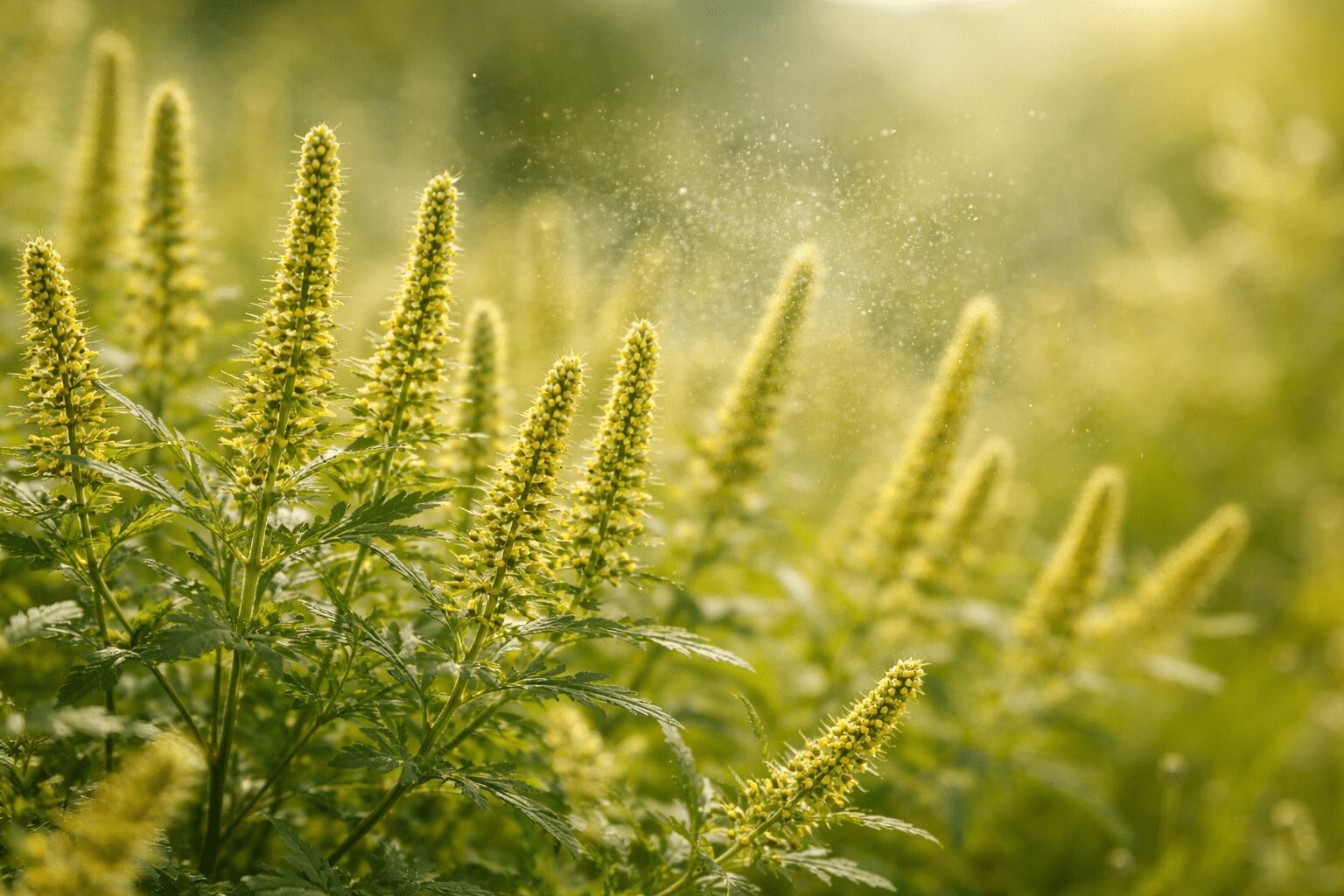
Ragweed is a wild plant that grows mainly in open fields, roadsides, construction sites, and empty plots of land. It belongs to the Ambrosia family and usually grows 1 to 3 feet tall, though some types can grow taller.
What makes ragweed a problem isn’t the plant itself — it’s the pollen it releases.
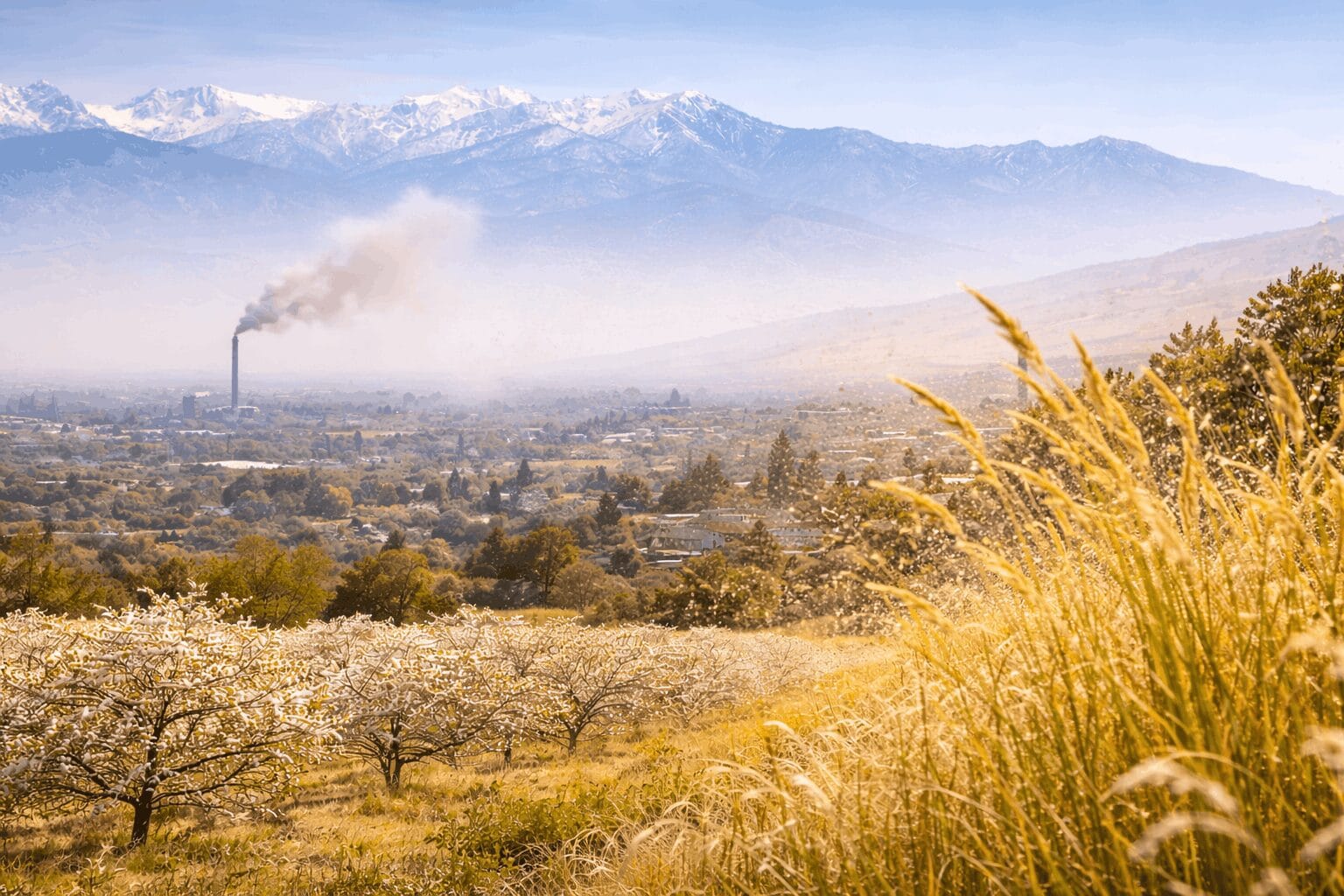
Ragweed plants produce tiny pollen grains that float easily in the air. These pollen particles are so light that they can travel hundreds of miles by wind. Even if there is no ragweed growing near your home, you can still be affected.
When is ragweed season?
Ragweed season usually starts in late summer and lasts through early fall.
- Peak months: August to October
- Worst times of day: Early morning
- High-risk days: Dry, windy days
Rain can temporarily reduce pollen levels, but once the weather dries, pollen often returns quickly.
Why does ragweed cause allergies?
A ragweed allergy happens when your immune system overreacts to ragweed pollen. Normally, pollen is harmless. But for people with allergies, the body sees pollen as a threat.
When you breathe in ragweed pollen:
- Your immune system releases chemicals like histamine
- These chemicals cause inflammation
- Allergy symptoms appear
This reaction is known as seasonal allergic rhinitis, often called hay fever (even though it has nothing to do with hay).
Ragweed allergy symptoms
Ragweed allergy symptoms can range from mild to severe. Some people feel uncomfortable, while others may struggle to go about their daily routine.
Common ragweed allergy symptoms include:
- Sneezing
- Runny or stuffy nose
- Itchy nose, throat, or ears
- Watery, red, or itchy eyes
- Postnasal drip (mucus dripping down the throat)
- Coughing
Less common but serious symptoms:
- Fatigue or tiredness
- Headaches
- Trouble sleeping
- Sinus pressure or facial pain
For people with asthma, ragweed pollen can make symptoms worse, leading to:
- Wheezing
- Chest tightness
- Shortness of breath
- Increased asthma attacks
How ragweed allergy is different from a cold
Many people confuse ragweed allergy symptoms with a common cold. However, there are key differences.
| Allergy | Cold |
|---|---|
| Clear, watery mucus | Thick, yellow or green mucus |
| Itchy eyes and nose | Rare itching |
| No fever | Fever possible |
| Lasts weeks or months | Lasts 7–10 days |
If your symptoms last throughout late summer and fall, allergies are more likely the cause.
Who is most affected by ragweed allergies?
Ragweed allergies can affect anyone, but some people are at higher risk.
You may be more likely to have a ragweed allergy if:
- You have a family history of allergies
- You already have asthma or eczema
- You live in urban or polluted areas
- You spend a lot of time outdoors
Children, teens, and adults can all develop ragweed allergies — even if they never had allergies before.
How is ragweed allergy diagnosed?
Doctors usually diagnose ragweed allergy through:
- A detailed symptom history
- Allergy skin testing
- Blood tests (in some cases)
An allergy specialist can identify whether ragweed pollen is triggering your symptoms or if other allergens are involved.
How to reduce exposure to ragweed pollen
While you can’t completely avoid ragweed pollen, you can lower your exposure and reduce symptoms.
Practical tips to protect yourself:
- Keep windows closed during peak pollen season
- Use air conditioning with clean filters
- Shower and change clothes after being outdoors
- Avoid outdoor activities early in the morning
- Wear sunglasses to protect your eyes
- Dry laundry indoors during pollen season
Small changes can make a big difference in how you feel.
Treatment options for ragweed allergy symptoms
Ragweed allergy symptoms can be managed with the right approach. Treatment depends on how severe your symptoms are.
Common treatments include:
- Antihistamines to reduce sneezing and itching
- Nasal sprays to control congestion
- Eye drops for itchy, watery eyes
- Asthma inhalers if breathing symptoms worsen
Long-term solution:
For people with severe or long-lasting symptoms, allergy immunotherapy (allergy shots or drops) can help train the immune system to react less strongly over time.
Always consult a healthcare professional before starting any treatment.
Why ragweed allergies seem to be getting worse
Many people feel that ragweed allergies are more intense than before — and they’re not wrong.
Factors contributing to stronger allergies include:
- Climate change extending pollen seasons
- Higher carbon dioxide levels increasing pollen production
- Urban pollution making pollen more irritating
These changes mean longer allergy seasons and stronger symptoms for many individuals.
Living well during ragweed season
Living with a ragweed allergy can be frustrating, but understanding your triggers gives you control. When you know what ragweed is and recognize ragweed allergy symptoms, you can take steps to protect your health.
With proper management, lifestyle adjustments, and medical guidance, most people can enjoy daily life even during peak allergy season.
Final thoughts
Ragweed may be a simple plant, but its impact on health is powerful. By learning how ragweed pollen affects the body, spotting symptoms early, and reducing exposure, you can breathe easier and feel better throughout allergy season.
If your symptoms are persistent or affecting your quality of life, speaking with an allergy specialist can help you find long-term relief.