
If you’re constantly sneezing, dealing with itchy skin, struggling to breathe, or reacting to foods without knowing why, you’re not alone. Allergies affect millions of people every year—and the first step toward feeling better is knowing what you’re allergic to. That’s where allergy testing comes in.
But a common question many people ask is: where can i get tested for allergies?
This guide will walk you through your options, explain what allergy testing involves, and help you choose the right place to get tested—so you can finally get answers and relief.
What allergy testing actually does
Allergy testing helps identify substances that trigger your symptoms. These triggers, called allergens, can include pollen, dust mites, pet dander, foods, insect stings, medications, or even materials that touch your skin.
When your immune system mistakenly sees these substances as harmful, it reacts—and that reaction causes symptoms like sneezing, rashes, swelling, coughing, or asthma flare-ups. Allergy testing allows doctors to pinpoint exactly which allergens are causing trouble, so treatment can be precise and effective instead of guesswork.
Common signs you may need allergy testing
Many people live with allergy symptoms for years without realizing testing could help. You may benefit from allergy testing if you experience:
- Frequent sneezing, congestion, or runny nose
- Chronic sinus infections or sinus pressure
- Wheezing, coughing, or shortness of breath
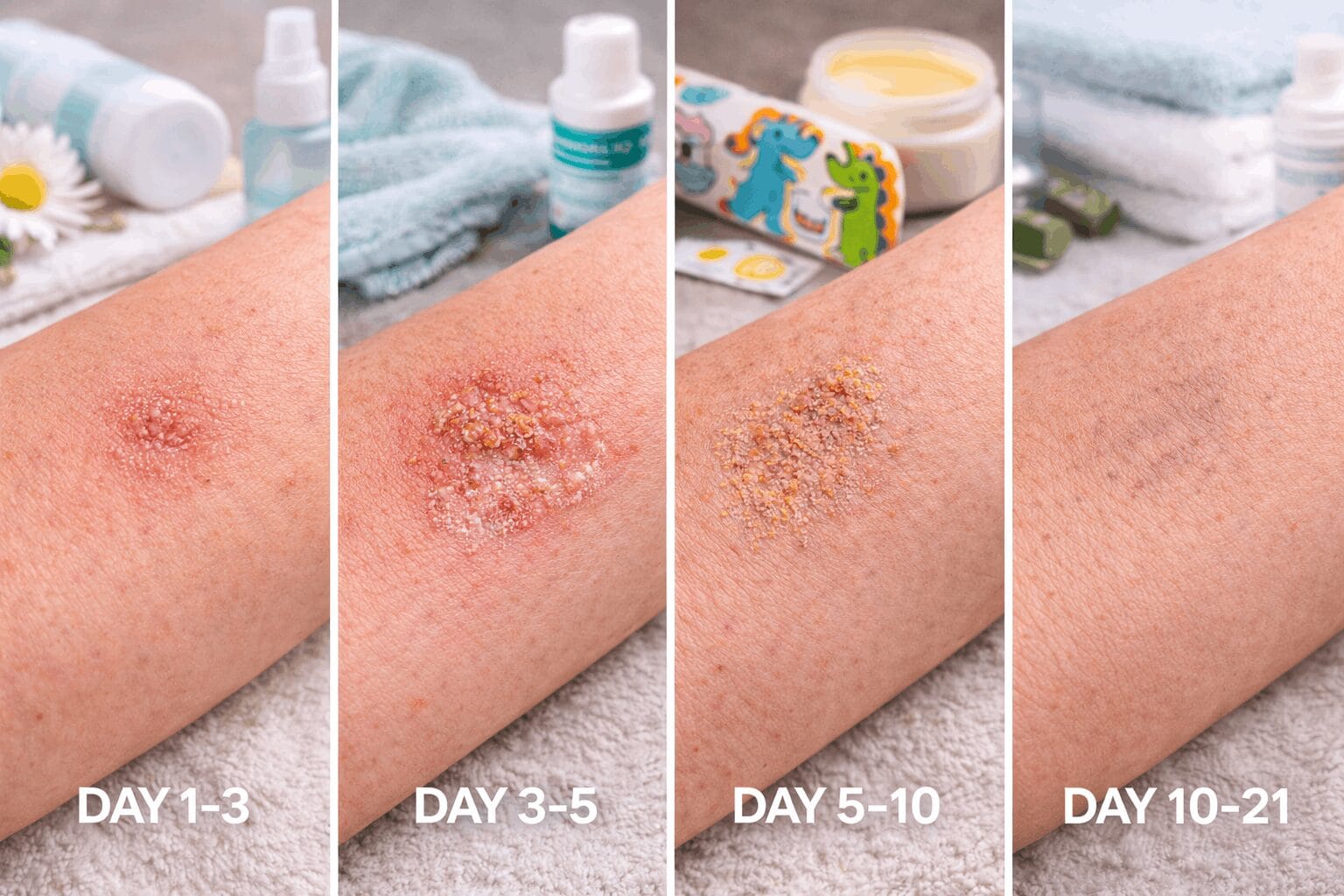
- Skin rashes, eczema, or hives
- Food reactions like stomach pain, swelling, or itching
- Symptoms that worsen during certain seasons
- Asthma that’s difficult to control
If these symptoms interfere with school, work, sleep, or daily life, allergy testing can be life-changing.
Where can i get tested for allergies?
There are several places that offer allergy testing, but not all provide the same level of accuracy, safety, or expertise. Understanding your options helps you make the best choice for your health.
Allergy specialists and allergy clinics
The best and most reliable place to get tested for allergies is an allergy specialist clinic such as Sierra Allergy Asthma and Sinus Center. These clinics are led by board-certified allergists who focus exclusively on diagnosing and treating allergies, asthma, and sinus conditions.
At Sierra Allergy Asthma and Sinus Center, allergy testing is performed in a controlled medical environment using evidence-based methods. Specialists don’t just test—you also receive expert interpretation, personalized treatment plans, and long-term care.
This is especially important for children, people with asthma, severe allergies, or complex symptoms.
Hospitals and medical centers
Many hospitals offer allergy testing through their outpatient departments. While these facilities can be helpful, allergy care is often just one of many services they provide. This may mean longer wait times and less specialized follow-up.
Hospitals are often recommended when allergy symptoms are severe, complicated, or linked with other medical conditions—but for ongoing allergy care, a dedicated allergy clinic is usually more convenient and focused.
Primary care doctors and family physicians
Some primary care doctors can order basic allergy blood tests. While this can be a starting point, it has limitations. Blood tests alone may not provide a complete picture, and general physicians may not specialize in interpreting allergy results.
If symptoms persist or worsen, most patients are referred to an allergy specialist for more detailed testing and treatment.
Types of allergy tests you may receive
Knowing what to expect can ease anxiety and help you prepare.
Skin prick testing
Skin prick testing is one of the most common and accurate allergy tests. Tiny amounts of allergens are placed on the skin, usually on the arm or back. The skin is lightly pricked, and reactions are observed.
Results appear within 15–20 minutes. If a small raised bump appears, it indicates sensitivity. This test is safe, quick, and widely used for environmental and food allergies.
Blood testing for allergies
Blood tests measure allergy-related antibodies in your bloodstream. These tests are helpful when skin testing isn’t possible, such as for patients with severe eczema, certain medications, or skin conditions.
While blood tests are convenient, they are often used alongside skin testing for a complete evaluation.
Patch testing for skin allergies
Patch testing is used to identify contact allergies—things that cause rashes when they touch your skin, such as metals, fragrances, cosmetics, or chemicals.
Small patches are applied to the back and left in place for several days. This test is especially useful for people with chronic eczema or unexplained skin reactions.
Why choosing the right allergy clinic matters
Allergy testing is not just about identifying allergens—it’s about understanding how they affect you. Accurate diagnosis, expert interpretation, and personalized care make a real difference.
At Sierra Allergy Asthma and Sinus Center, testing is combined with:
- Detailed medical history review
- Expert evaluation by allergy specialists
- Customized treatment plans
- Long-term allergy management
- Education on avoidance and prevention
This comprehensive approach ensures results lead to real improvement, not just information.
What happens after allergy testing?
Testing is only the beginning. Once allergens are identified, your allergist will create a treatment plan tailored to your lifestyle, age, and symptoms.
Treatment may include:
- Environmental control strategies
- Medication adjustments
- Allergy shots (immunotherapy)
- Sublingual allergy treatments
- Asthma management plans
- Food allergy guidance and safety planning
The goal isn’t just symptom relief—it’s long-term control and better quality of life.
Is allergy testing safe for children?
Yes. Allergy testing is safe for children and can be done at almost any age when symptoms are present. Early testing can prevent complications like uncontrolled asthma, chronic sinus infections, or poor sleep and school performance.
Specialists at Sierra Allergy Asthma and Sinus Center take extra care to make the process gentle, reassuring, and child-friendly.
How to prepare for an allergy test
Before your appointment, you may be asked to stop certain medications, especially antihistamines, for a few days. This helps ensure accurate results.
Wear comfortable clothing and be ready to discuss your symptoms, triggers, family history, and lifestyle. The more information you share, the better your care plan will be.
Take the first step toward relief
If you’ve been wondering where can i get tested for allergies, the answer matters. Choosing a specialized allergy clinic means faster answers, safer testing, and treatments designed specifically for you.
At Sierra Allergy Asthma and Sinus Center, patients receive compassionate, expert-led care focused on long-term wellness—not just temporary relief. With proper testing and guidance, you can breathe easier, feel better, and regain control of your daily life.
Because understanding your allergies is the first step toward living freely again.